
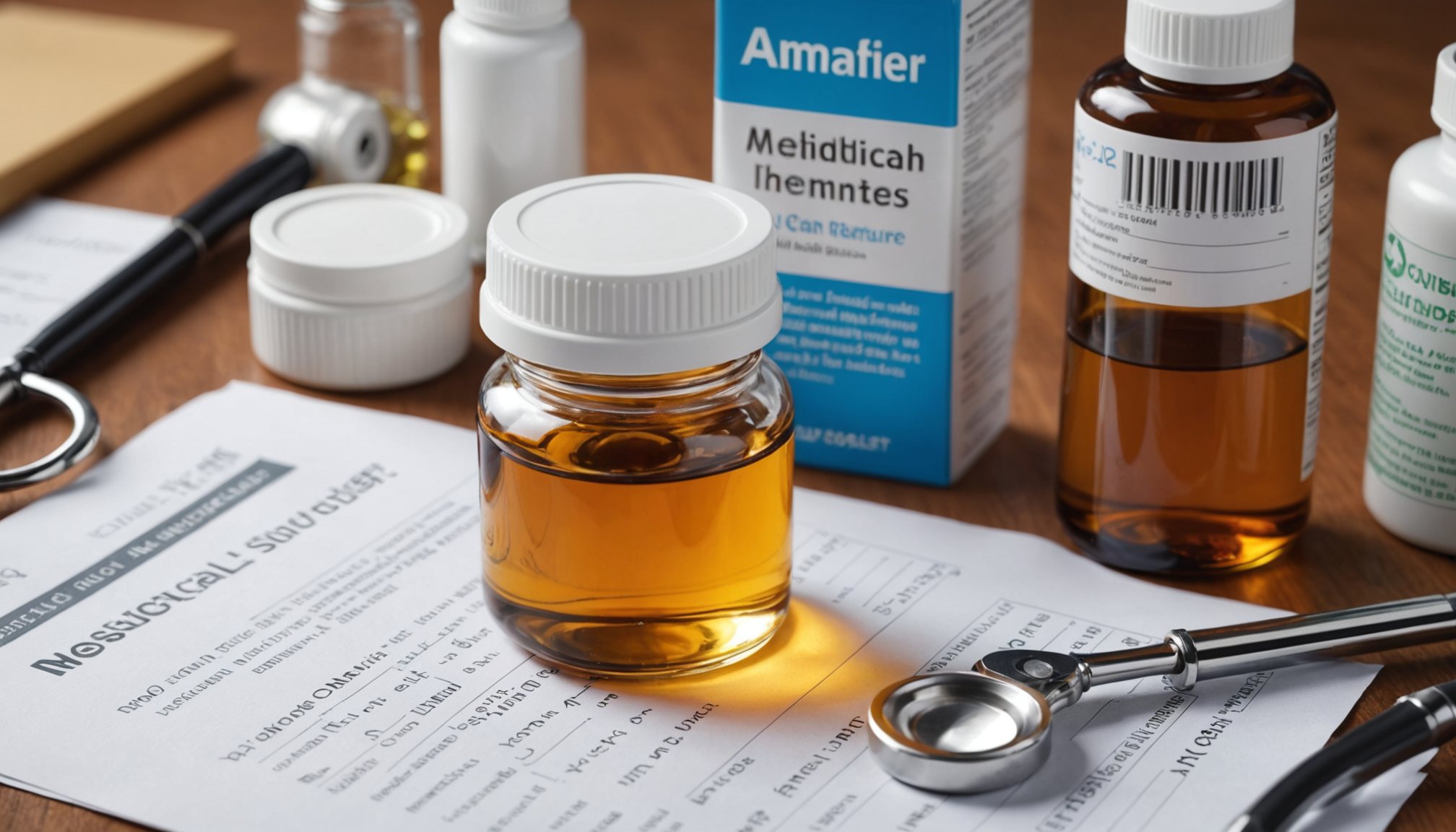
Over-the-counter ED remedies: what they are, how they work, and how to use them safely
Disclaimer: This educational article is for general information only and does not replace professional medical advice, diagnosis, or treatment. Over-the-counter (OTC) erectile dysfunction (ED) remedies are not a substitute for prescription therapies or evaluation by a clinician. Always read labels, follow directions, and consult a healthcare professional—especially if you have heart disease, diabetes, take nitrates, or have other chronic conditions.
Key terms (glossary)
- Erectile dysfunction (ED)
- The ongoing difficulty achieving or maintaining an erection firm enough for sexual activity.
- Over-the-counter (OTC)
- Products available without a prescription, typically sold in pharmacies or online.
- Dietary supplement
- Products containing vitamins, minerals, herbs, or amino acids intended to supplement the diet.
- Nitric oxide
- A molecule that helps blood vessels relax, supporting blood flow to the penis.
- Vasodilation
- Widening of blood vessels, which can improve circulation.
- L-arginine
- An amino acid sometimes marketed for ED due to its role in nitric oxide production.
- Panax ginseng
- An herbal supplement studied for potential effects on sexual function.
- DHEA
- A hormone precursor sold as a supplement; evidence for ED benefit is limited.
- Placebo effect
- Symptom improvement due to expectations rather than an active ingredient.
- Adulteration
- Illegal inclusion of prescription drugs or analogs in supplements.
- PDE-5 inhibitors
- Prescription medications (e.g., sildenafil) that treat ED by improving blood flow.
- Contraindication
- A condition or factor that makes a product unsafe for a person.
- Cardiovascular risk
- The likelihood of heart or blood vessel disease, relevant because ED can be an early sign.
- Psychogenic ED
- ED primarily related to psychological factors such as stress or anxiety.
Clear explanation
1) Common causes ED remedies aim to address
ED has multiple causes, including reduced blood flow, nerve signaling issues, hormonal changes, medications, and psychological factors. OTC ED remedies generally target circulation (via nitric oxide pathways), stress, or overall vitality. They do not correct structural or advanced vascular disease and are less effective when ED is due to nerve injury, uncontrolled diabetes, or severe cardiovascular disease.
2) How ED can manifest
Men may notice difficulty achieving an erection, reduced firmness, shorter duration, or decreased sexual confidence. Occasional issues are common; persistent symptoms lasting three months or more warrant evaluation. Because ED can precede heart disease, changes in erectile function deserve attention.
3) Diagnosis and why OTC products aren’t diagnostic
There is no OTC test that diagnoses ED causes. Clinicians evaluate medical history, medications, lifestyle factors, and sometimes blood tests. OTC remedies can’t determine whether ED is vascular, hormonal, neurological, or psychogenic—so they should be considered supportive at best.
4) Approaches that include (and go beyond) OTC remedies
Evidence-based care prioritizes lifestyle changes (exercise, sleep, smoking cessation), management of underlying conditions, and—when appropriate—prescription therapies. Some men try OTC supplements such as L-arginine or ginseng; results vary, and quality control matters. Non-pill options like vacuum erection devices (OTC) may have more consistent benefit for some users.
Reader checklist
What you can do
- Review labels for single-ingredient products and third-party testing.
- Focus on lifestyle basics: regular exercise, balanced diet, weight management, and sleep.
- Check medications with your clinician; some drugs affect erections.
- Consider non-drug OTC options (e.g., vacuum devices) with proper instruction.
- Track results for 4–8 weeks and reassess.
What to avoid
- Products claiming “instant Viagra-like results” or guaranteed cures.
- Combining multiple supplements without guidance.
- Supplements from unknown sellers or without quality seals.
- Using OTC remedies if you take nitrates or have unstable heart disease.
When to see a doctor urgently
- Chest pain, shortness of breath, or fainting with sexual activity.
- Sudden onset ED with neurological symptoms.
- ED plus symptoms of low testosterone or uncontrolled diabetes.
- Penile pain, curvature, or trauma.
| Term | In simple words | Why it matters |
|---|---|---|
| Nitric oxide | Helps blood vessels relax | Supports erections by improving blood flow |
| L-arginine | A building block for nitric oxide | Common in OTC ED supplements |
| Adulteration | Hidden prescription drugs | Raises safety and legal risks |
| Placebo effect | Feeling better due to expectations | Explains mixed results with supplements |
Specialist comment (generalized): “OTC ED remedies may help a subset of men with mild symptoms, especially alongside lifestyle changes. However, inconsistent quality and limited evidence mean they should be used cautiously, and persistent ED should prompt a medical evaluation.”
For related perspectives, explore our Blog insights on men’s health, a practical Post discussing lifestyle strategies, and a Sin categoría overview of sexual wellness topics.
Sources
- U.S. Food & Drug Administration (FDA). “Tainted Sexual Enhancement Products.” (Safety alerts and adulteration warnings).
- National Institutes of Health (NIH) – Office of Dietary Supplements. Fact sheets on supplements such as L-arginine and ginseng.
- Mayo Clinic. “Erectile dysfunction” overview and treatment options.
- American Urological Association (AUA). ED guidelines (general information).
Note: Evidence for many OTC ED remedies is limited or mixed; where exact efficacy data are unavailable, this article states that uncertainty.